The breach
A humpback powers upward, lifting much of its body clear of the ocean before landing in a spectacular splash. It can happen suddenly, so keep watching beyond the last place a whale surfaced.
There’s nothing quite like the first blow on the horizon. Get to know the whales that make winter on Kauai so memorable—and the moments to watch for on your trip.
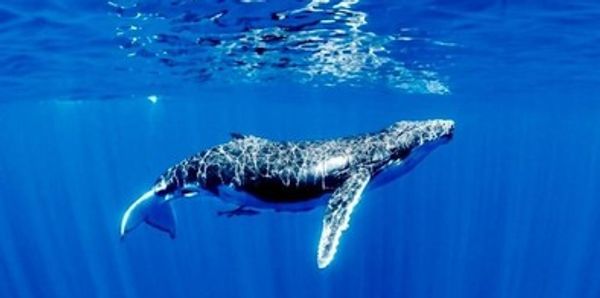
After feeding in colder North Pacific waters during summer, humpbacks migrate to Hawaii’s warm waters to mate, give birth and nurse their calves. The islands become a winter nursery and gathering place before the journey back north.
Our whale-watch season runs December through March. January and February sit at the heart of that season, when viewing opportunities are generally strongest. Some whales arrive earlier or remain later.
Whales set the pace. We watch patiently for their natural behavior—every trip tells a different story.
A humpback powers upward, lifting much of its body clear of the ocean before landing in a spectacular splash. It can happen suddenly, so keep watching beyond the last place a whale surfaced.
Look for a long flipper lifted above the water, then slapped against the surface. A whale may repeat this with one or both pectoral fins; the sound may help it communicate.
That misty plume is a whale exhaling as it surfaces to breathe. It is often your first clue from shore or a boat. Scan for a brief white puff, then watch for the whale’s back.
You don’t always need a boat to enjoy whale season. An open ocean view, patience and good visibility can make a shoreline stop rewarding.
Pause along the ocean-facing stretches of Ke Ala Hele Makalae near Kapaa and Kealia. Step clear of the bike path, scan the horizon, and give each viewing stop a little time.
Look beyond the nearshore reef from a safe, dry spot on land. Watch for blows and splashes farther offshore while enjoying the beach scenery.
The elevated ocean outlook offers a broad view for spotting distant activity. Check current refuge access and reservations before visiting, and stay within designated viewing areas.
We’re here to observe natural encounters. Breaches, close passes and sightings are never guaranteed. Enjoy the whole experience: the coastline, the ocean and whatever the whales choose to share.
Find Your Whale Watch →